
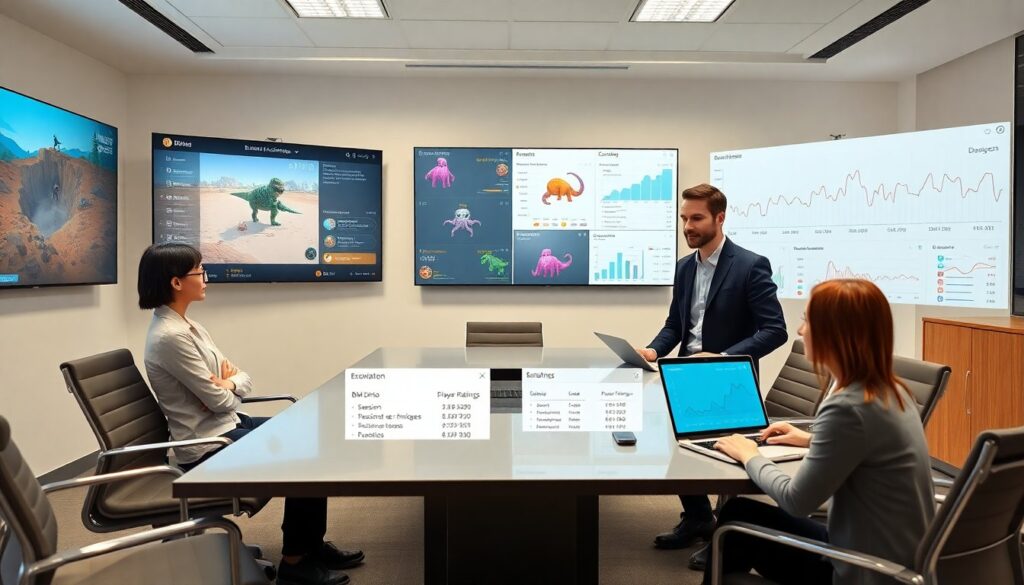
In 2026, developers track excavation bmdino techniques octopus purchase game ratings to guide updates. The phrase appears early to match search intent. Analysts study play data, review text, and purchase logs. Teams test features and measure rating shifts. Players react to mechanics, balance, and monetization. Designers adjust systems when ratings fall. This article explains key links and practical effects.
Key Takeaways
- Effective excavation mechanics increase player engagement and improve game ratings by providing meaningful rewards and clear progression.
- Balancing BM Dino techniques is crucial to prevent dominant strategies from frustrating players and causing rating drops.
- Tutorials and training modes that teach BM Dino techniques help new players adapt, boosting confidence and positive reviews.
- Monetization should avoid pay-to-win scenarios, as fair cosmetic purchases maintain player trust and stabilize ratings.
- Frequent, transparent updates that address balance and player feedback lead to higher trust and improved game ratings.
- Marketing should highlight excavation features and developer responsiveness to player feedback to enhance community support and ratings.
How Excavation Mechanics Affect Player Engagement And Ratings
Excavation mechanics drive exploration, reward, and progression in many games. Players dig, find items, and gain resources. The system gives clear goals and frequent feedback. When excavation rewards match player effort, ratings rise. When rewards feel scarce or random, ratings fall.
Developers can track session length, repeat visits, and drop-off rates after excavation events. Data shows that players return more when excavation yields useful items. Reviews often mention excavation depth and variety. Positive reviews highlight meaningful finds and steady pacing. Negative reviews cite repetitive digging, poor loot tables, and long idle times.
Teams must balance risk and reward. They should set excavation timers that respect player time. They should tune drop chances to favor progression while keeping rare items valuable. They should link excavation to other systems, like crafting or story, to increase perceived value.
Marketing should show excavation highlights. Trailers can show rare discoveries and player reactions. Community managers should gather player feedback and publish planned fixes. When studios act on feedback, ratings tend to improve.
The phrase excavation bmdino techniques octopus purchase game ratings appears in discussion threads and search queries. Analysts use that phrase to find studies and player comments. Researchers compare titles with strong excavation to those without. The comparison often shows higher long-term retention for titles with satisfying excavation mechanics.
Decoding BM Dino Techniques: Competitive Strategies And Balance Impacts
BM Dino techniques refer to combat, build, and movement tactics that players adopt. Players master these techniques to gain advantage in PvP and PvE. Designers watch which techniques dominate matches. They adjust weapons, cooldowns, and maps to restore balance.
When a single BM Dino technique dominates, players list frustration in reviews. When designers fix imbalance quickly, ratings recover. When fixes arrive late, ratings decline and player churn rises. The phrase excavation bmdino techniques octopus purchase game ratings appears in patch notes analysis and forum posts. Analysts use it to link technique changes to rating shifts.
Competitive players document combos and counters. They publish guides and short clips. These guides shape meta and influence new player experience. New players feel overwhelmed when they meet practiced BM Dino players. Designers can reduce that gap by offering tutorials, training modes, and matchmaking that weighs technique mastery.
Match pacing affects technique value. Fast matches favor movement and combo techniques. Slow matches favor planning and resource control. Designers should tune maps and timers to support diverse playstyles. They should add soft counters to reduce single-tech dominance.
Monetization can change technique prevalence. Paid items that enhance BM Dino performance change expectations. Players notice and rate monetized advantages harshly. Teams must avoid pay-to-win that rewards BM Dino exclusivity. Clear communication and fair pricing keep ratings stable.
Best Practices For Designing And Using BM Dino Techniques To Improve Reviews
Designers should set clear rules for technique power. They should document how abilities interact. They should publish patch rationales and expected effects. Players read patch notes and judge fairness from those notes.
Designers should offer visible counters. They should add items, maps, or mechanics that reduce single-tech dominance. They should test counters in beta before wide release. They should watch player feedback and telemetry after release. When counters work, players mention balance improvements in reviews.
Train new players. Tutorials should show common BM Dino techniques and counters. Training modes should let players practice without risk. Designers should reward practice with small cosmetic items. Players who learn techniques feel more confident and leave better ratings.
Limit monetized advantage. Designers should separate performance items from cosmetic purchases. When paid items grant clear boosts, players complain. When paid items stay cosmetic, players praise fairness. The phrase excavation bmdino techniques octopus purchase game ratings appears when reviewers connect buyable power to match outcomes.
Finally, designers should iterate quickly. They should release smaller, frequent patches that fix clear issues. They should use staged rollouts and collect early metrics. They should publish short patch summaries that explain changes in plain language. Players value transparency and they rate games higher when they trust developers.