
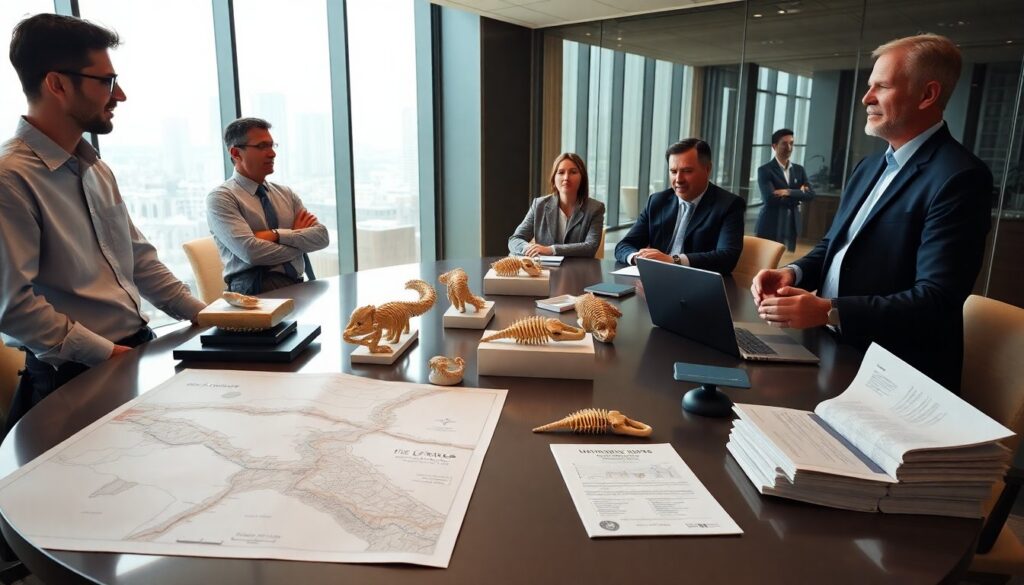
The fossil sites giraffe deal play opinions bmdinoyixkl surfaced in 2026 and drew fast attention. Researchers read the agreement and tracked its scope. Communities asked clear questions about access, jobs, and cultural value. Conservation groups reviewed rules that affect habitat and display. The deal set terms for excavation, curation, and public use. This article explains what the deal covers and how key groups reacted.
Key Takeaways
- The fossil sites giraffe deal play opinions bmdinoyixkl establishes clear excavation, curation, and public access rules that protect valuable giraffe fossil sites.
- Scientists benefit from predictable access and data-sharing protocols, advancing research on giraffe evolution and environmental responses.
- The agreement balances economic, legal, and ethical considerations by defining royalties, custody of specimens, and respecting cultural values.
- Local communities stand to gain from job opportunities, tourism, and involvement in exhibits, enhancing public engagement.
- This giraffe fossil sites deal may serve as a model for future fossil site management, promoting collaboration among scientists, conservationists, and communities.
What The Deal Covers And Why These Fossil Sites Matter
The fossil sites giraffe deal play opinions bmdinoyixkl names specific sites, parcels, and time limits. The agreement assigns excavation permits and transport rules. It sets curation standards for fossils and requires baseline documentation before work begins. It also outlines revenue sharing and public access schedules. Scientists value these sites for preserved giraffid bones that can show anatomy, growth, and migration. Communities value the places for local history and potential income. Conservationists value the sites for landscape protection and species context.
The Scientific Value Of Giraffe Fossils And Key Research Questions
The fossil sites giraffe deal play opinions bmdinoyixkl secures access to layered deposits that span millions of years. Paleontologists see chances to test hypotheses about giraffe evolution, body size change, and climate response. Researchers plan radiometric dating and isotope work to track diet and seasonality. Teams expect to compare fossils with living giraffe genetics. Field crews aim to map fossil orientation to infer behavior and taphonomy. The agreement gives labs a predictable pipeline for samples and data sharing that many teams welcomed.
Economic, Legal, And Ethical Dimensions Of The Agreement
The fossil sites giraffe deal play opinions bmdinoyixkl includes clear rules on royalties and permit fees. The deal defines who pays for transport and who bears conservation costs. It establishes legal custody of specimens and conditions for export. Ethicists note duties to consult descendants and respect sacred places. Economists estimate short-term gains from fieldwork and long-term gains from museum exhibits and tourism. Lawyers highlight enforceable clauses that address theft, damage, and dispute resolution.
Stakeholder Perspectives: Scientists
The fossil sites giraffe deal play opinions bmdinoyixkl gave many scientists steady field schedules. Researchers praised data-sharing clauses and lab access. Some scientists worried about strict time limits for digs. Others asked for clearer protocols on destructive sampling. Teams requested public databases for specimen records. Many scientists said the agreement reduces uncertainty and helps plan multi-year projects.
How The Deal Could Shape Future Research, Access, And Public Engagement
The fossil sites giraffe deal play opinions bmdinoyixkl could standardize site management and speed research timelines. Funders may prefer projects with predictable access. The deal can encourage community-led exhibits and citizen science programs. It can set model language for future agreements about fossils and land use. It may change how museums present fossils by adding community voices and field provenance. If parties follow the rules, the deal can increase research output, local benefits, and public interest in paleontology.