
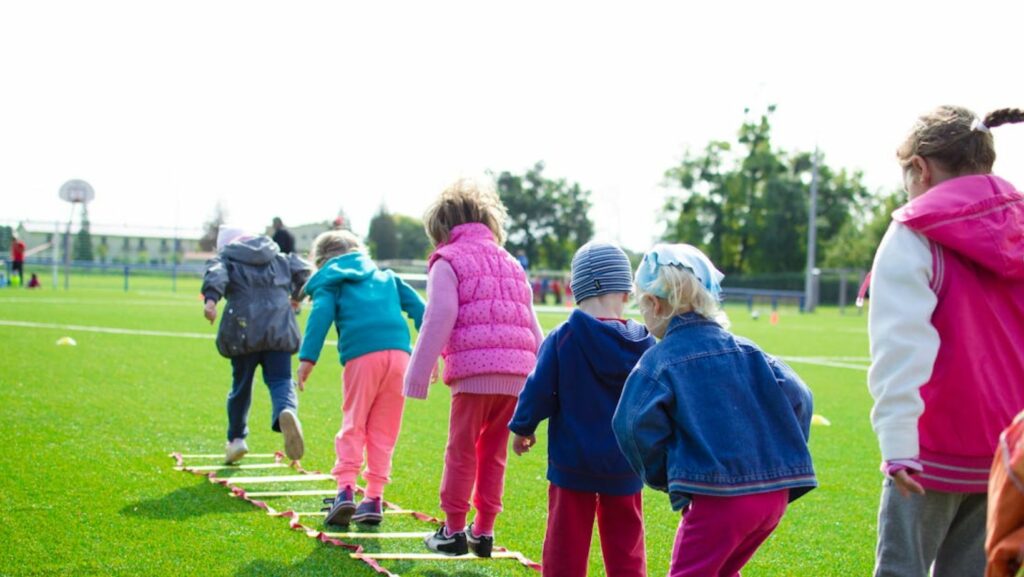
Competition often raises mixed feelings among parents. Some see it as a natural part of growing up, while others worry it might encourage rivalry or hurt feelings. The truth lies somewhere in the middle: when approached in a positive and supportive way, competitive play can be one of the most powerful tools for teaching children about cooperation, patience, and resilience.
As the holiday season approaches and parents look for meaningful gifts, toys that encourage friendly challenges can bring both fun and valuable lessons into the home.
Understanding the Value of Competitive Play
When kids engage in games that involve winning and losing, they’re doing more than just playing—they’re learning how to navigate emotions, think critically, and connect with others. Competitive play helps children understand effort and fairness, and it teaches them how to handle both success and disappointment.
For example, beyblade toys are great for Christmas because they bring children together for exciting, hands-on matches that encourage laughter, strategy, and family bonding. During the holidays, when kids have extra time to play, these moments become opportunities to strengthen relationships and develop emotional and social skills through shared fun.
Building Emotional Strength Through Play
One of the greatest benefits of healthy competition is its ability to help kids process emotions. When a child experiences a win, they feel a sense of accomplishment that boosts confidence. When they lose, they learn how to cope with frustration and persevere. These lessons build emotional resilience—a skill that becomes essential as children face challenges in school, friendships, and other areas of life.
Parents who offer gentle encouragement and help kids reflect on both victories and losses create a safe space for emotional growth. Over time, children learn that it’s not the outcome that matters most, but the effort and attitude they bring to each experience.
Teaching Social Skills in a Natural Way
Competitive games provide a unique setting for children to practice important social skills. Through play, they learn how to take turns, negotiate rules, and express themselves respectfully. They also discover the importance of empathy as they interact with peers, learning to celebrate others’ achievements as well as their own.
In a world where digital entertainment often replaces face-to-face interaction, traditional games that encourage physical activity and personal connection help bring balance back into children’s lives. Parents who join in or observe can use these moments to reinforce positive behavior and communication, turning playtime into a learning opportunity that feels effortless.
Encouraging Critical Thinking and Problem-Solving
Beyond emotional and social growth, competitive play can also sharpen a child’s thinking skills. Games that involve strategy and quick decisions help children develop focus and adaptability. They learn to analyze what works, what doesn’t, and how to improve their approach.
This kind of active problem-solving builds cognitive flexibility, a skill that supports learning in school and in everyday life. The sense of engagement and curiosity that comes from trying different strategies keeps children motivated to learn and grow.
Guiding Kids Toward Healthy Competition
The role of parents in shaping how children view competition is crucial. When adults emphasize effort, learning, and enjoyment rather than focusing solely on winning, children begin to see competition as a positive experience. Parents can encourage kids to reflect on what they enjoyed, what they learned, and how they can try again differently next time.
This approach helps children see play as a process rather than a result. Setting a positive example—by showing patience, kindness, and humor during games—teaches children that good sportsmanship is just as important as success.
Creating Family Bonds Through Shared Play
Family playtime offers one of the most rewarding settings for healthy competition. During the holidays, parents, grandparents, and siblings can come together to enjoy simple, playful moments that strengthen connections.
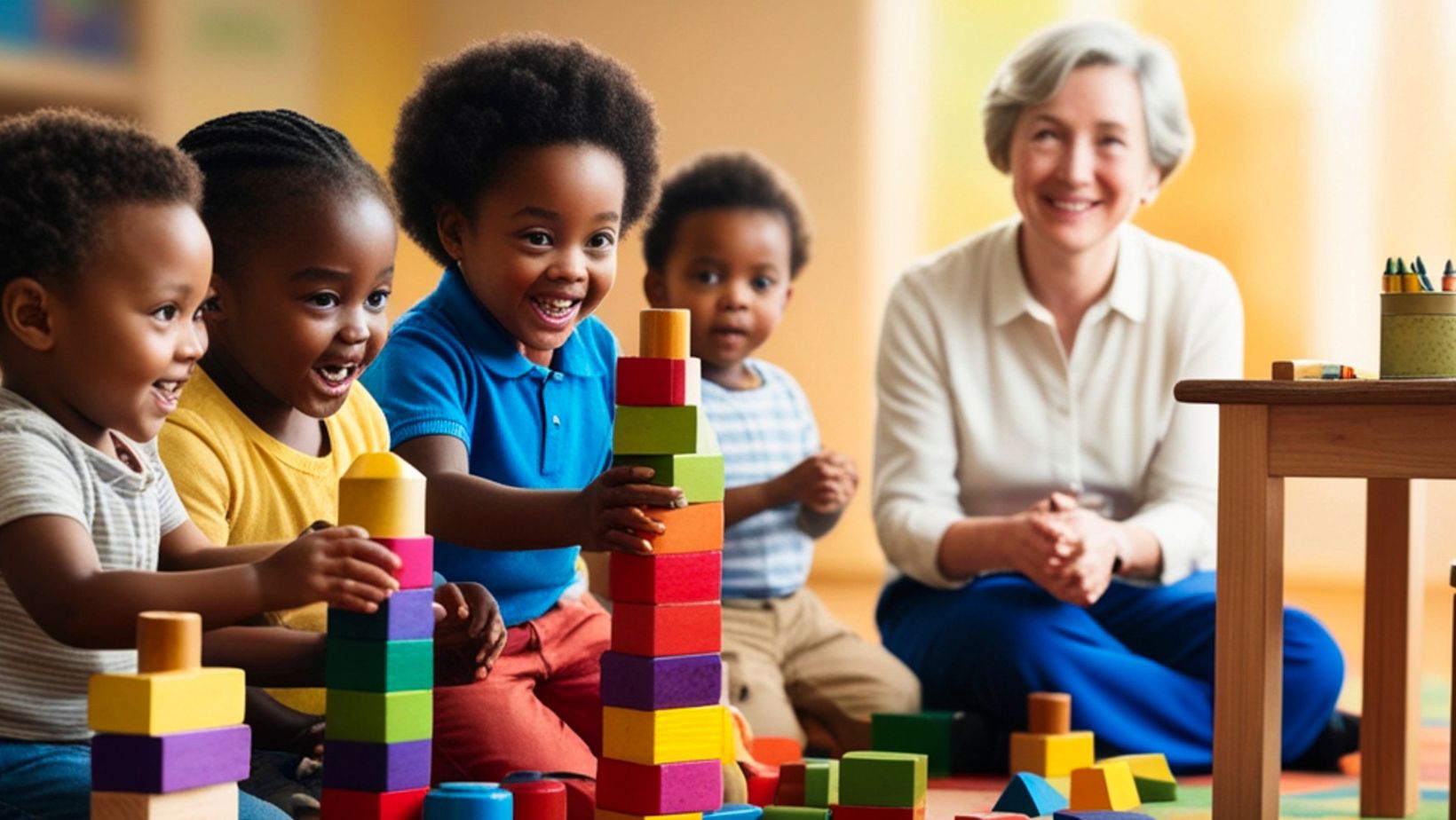
These shared experiences remind children that family time is about togetherness, not rivalry. Whether it’s a board game, a sports activity, or a friendly toy-based competition, the laughter and cooperation that come from playing together often linger long after the game ends. In a busy world, these experiences bring a welcome sense of closeness and joy.
The Joy of Learning Through Friendly Battles
At its heart, competition teaches children that every effort counts. Friendly play helps them learn how to balance confidence with humility and ambition with empathy. Over time, they begin to value the journey of learning, not just the final outcome.
Competitive play, when handled with care, reminds children that growth often comes from trying, failing, and trying again. Parents who encourage this understanding give their kids a lifelong gift—the ability to face challenges with optimism and grace.
Conclusion
Healthy competition helps children grow emotionally, socially, and mentally, turning playtime into a meaningful part of their development. During the Christmas season, parents can make the most of the holidays by encouraging games and toys that promote connection and growth. When play is shared, supportive, and fun, it becomes more than entertainment—it becomes a joyful way to learn, bond, and celebrate together.